Laboratory Safety for Students: Moving Beyond the Rulebook

All academic institutions have laboratory safety rules. But what many of them don’t have is a laboratory safety culture.
The difference matters. A rule tells a student what not to do in the lab. A culture makes them understand why and builds habits that outlast the course.
Compliance alone isn’t enough.
Laboratory safety for students in most universities is built around orientation sessions, safety contracts, and posted rules. While valuable, they treat safety as a one-time briefing rather than an ongoing practice. And they put the burden of safe behavior entirely on students who may be handling hazardous chemicals for the first time.
This structure’s weaknesses show up in predictable ways:
- Chemical inventories across multiple labs and buildings grow without centralized oversight.
- Chemicals often sit on shelves past their recommended shelf life, sometimes for years, because no one has a complete picture of what's on site.
- Safety Data Sheets are kept in binders or spreadsheets that may not be current.
- Laboratory hygiene and safety procedures may be applied inconsistently.
Moving from rules to culture: what it takes.
Three factors determine whether lab safety for students goes beyond adherence to rules.
1. Faculty lead by example. When professors consistently model safe behavior, checking SDS information before working with an unfamiliar substance, wearing proper personal protective equipment (PPE) without being reminded, and treating a near miss as something worth discussing rather than moving past, students absorb that as the standard. Rules posted on a wall don't teach judgment. People do.
2. The relevant information must be reliable and accessible. Lab hygiene and safety depend on students and staff having access to accurate, current information about the chemicals they use. An SDS binder that hasn't been updated in two years, or a chemical inventory that lives in a single faculty member's private spreadsheet, creates the conditions for poor decisions. When a student reaches for guidance on storage compatibility and finds outdated or missing information, the system has failed.
3. Near misses must be treated as learning moments, not liabilities. Academic labs where students fear reporting a close call are labs where that same close call happens repeatedly, with potentially different results. Creating an environment in which reporting near misses is expected and acted on is one of the most effective ways for a school to improve laboratory safety over time.
Good systems make safe behavior easier.
Universities and school districts managing chemicals across multiple labs and facilities face the same fundamental challenge as multi-site industrial organizations: visibility. Without a centralized view of which chemicals are on site, in what quantities, and what hazards are associated with them, consistent lab hygiene and safety become difficult to achieve and nearly impossible to audit.
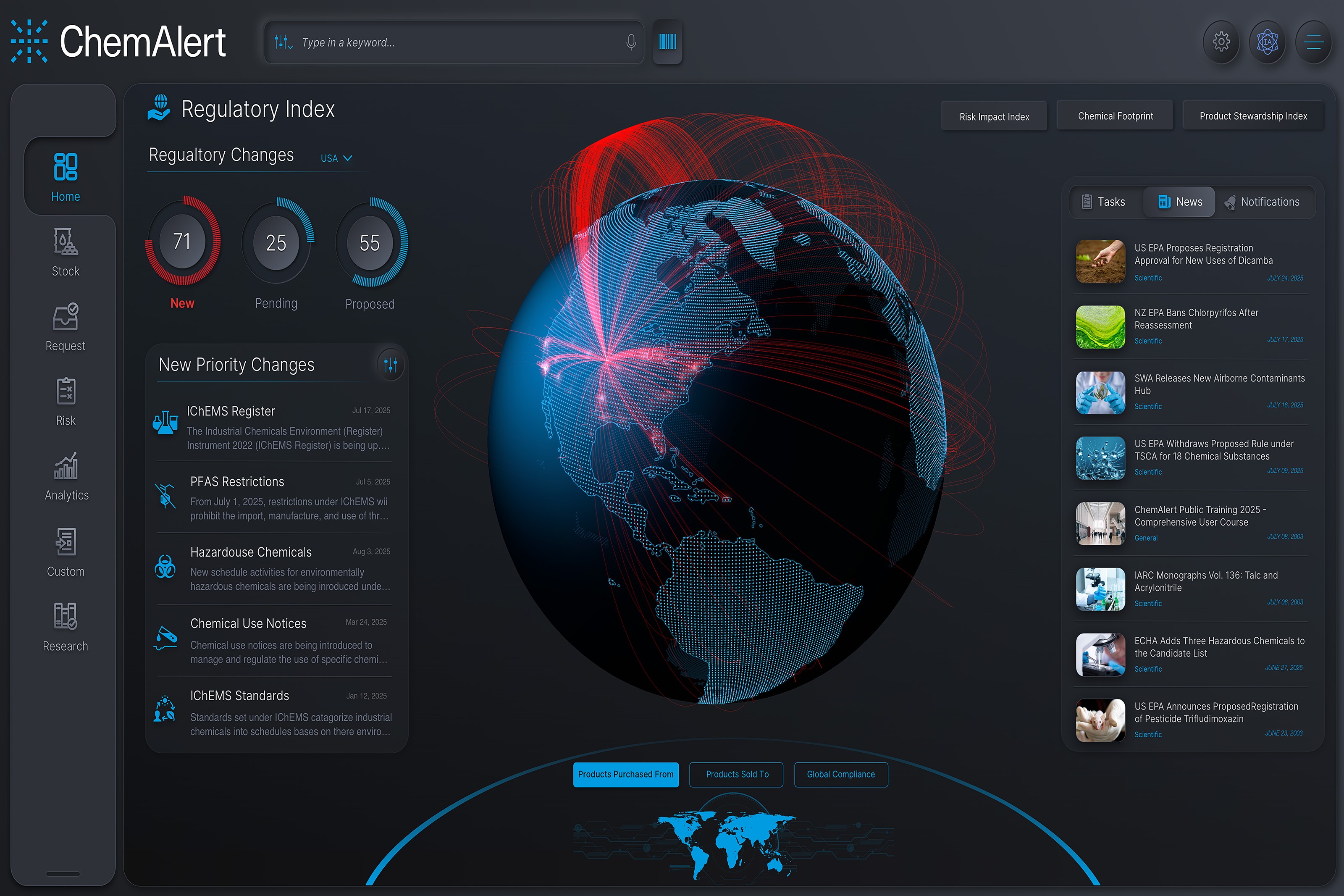
ChemAlert gives lab managers and faculty access to accurate, current hazard information across every building and campus. Automated alerts flag outdated SDS documents and emerging chemical risks before they create problems. Consistent, accessible information makes it easier for students and staff to make safe decisions as a matter of routine rather than compliance.
Safety in academic chemistry laboratories doesn't have to be something students learn to work around. With the right systems and culture behind it, it can be something they carry with them well beyond their academic careers.
Find out how ChemAlert can help your institution manage chemicals safely.


%20(1).jpg)